China’s Energy Transition Enters a New Era
China is moving decisively from energy planning toward the development and implementation of a modern, green energy system under its 15th Five-Year Plan. This marks a transition from setting targets to tackling complex, real-world challenges in integrating renewable energy and managing rising electricity demand. The country aims to create a more flexible and resilient grid capable of supporting its expanding digital economy and sustainability goals.
AI’s Growing Demand and the Grid Dilemma
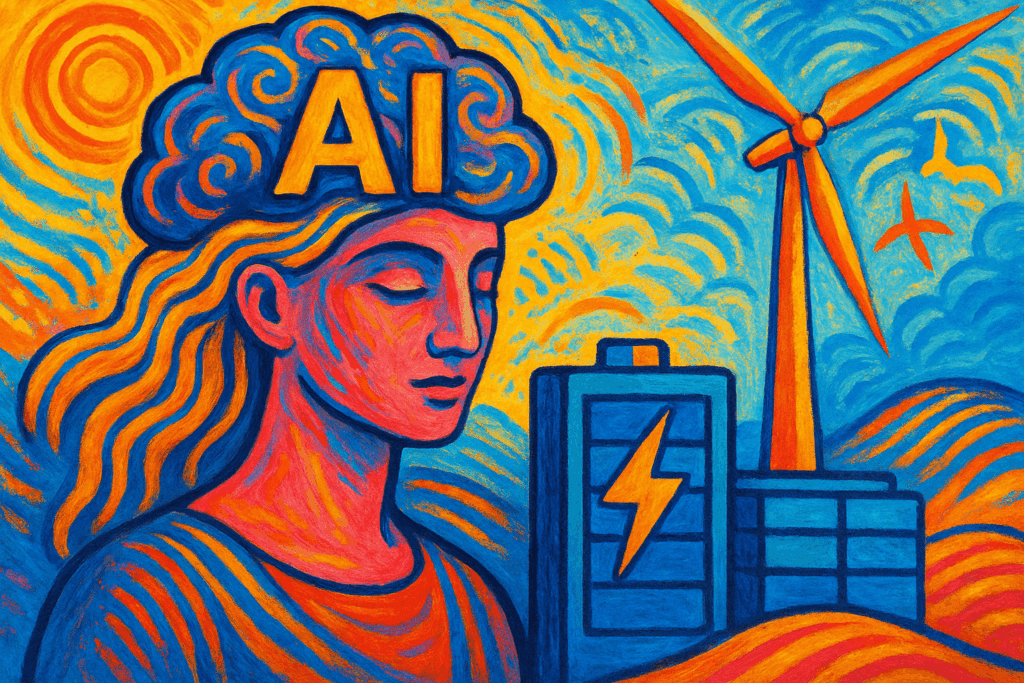
The rapid expansion of artificial intelligence, data centers, and cloud computing is placing unprecedented pressure on China’s electricity system. These technologies generate a surge in power consumption that intensifies the challenge of decarbonization. Managing this demand growth requires more than just increasing supply; it demands a grid that can dynamically balance fluctuating loads while integrating intermittent renewable sources.
Policy and Technology: Building a Resilient, Smart Grid
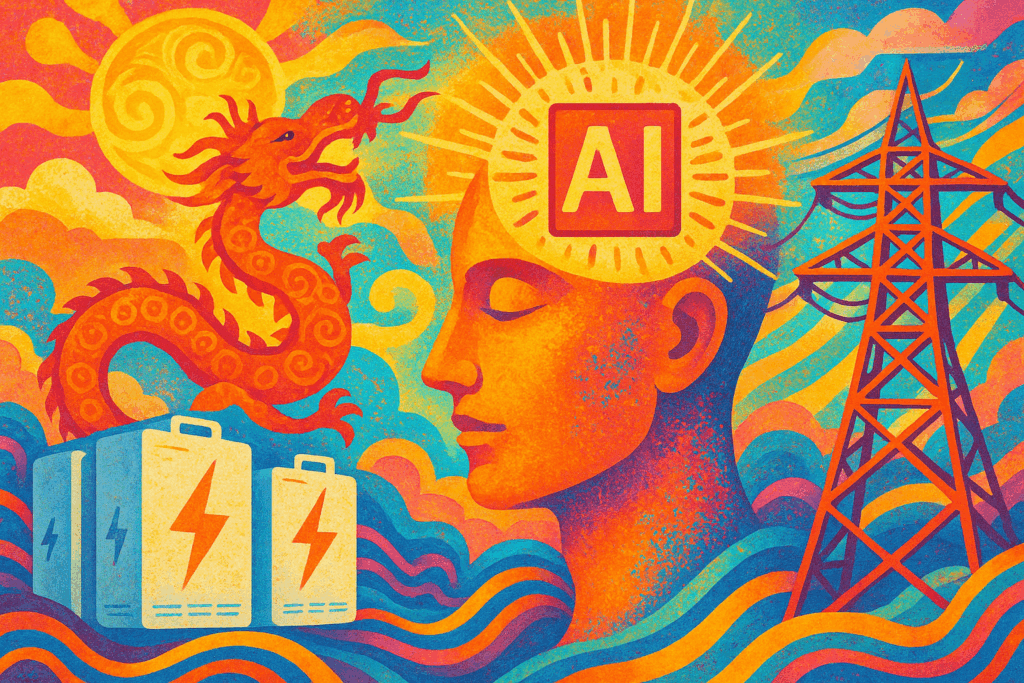
In response, China is accelerating investments in large-scale energy storage facilities to boost grid flexibility and buffer renewable variability. Upgrades to transmission and distribution infrastructure are underway to improve system reliability. Policies emphasize AI-assisted dispatch systems that optimize real-time energy flows and reduce inefficiencies. Market reforms, including electricity spot markets and dynamic pricing, are being introduced to better reflect supply-demand conditions and incentivize flexible consumption. These measures collectively aim to facilitate high renewable penetration while ensuring stable grid operation amid growing digital energy demand.
Beyond 2025: A Vision for Integrated Energy
Looking forward, China envisions an integrated energy system by 2035 that merges electricity, hydrogen, and computing resources under an AI-driven architecture. This system will prioritize resilience, decarbonization, and smarter resource allocation to support continuous growth in AI and digital infrastructure. Robust energy storage and advanced grid management technologies will serve as pillars for this future energy landscape, enabling a secure and efficient transition into a sustainable economy.