Europe’s Energy Future: Orchestrating Policy, AI, and Collaboration
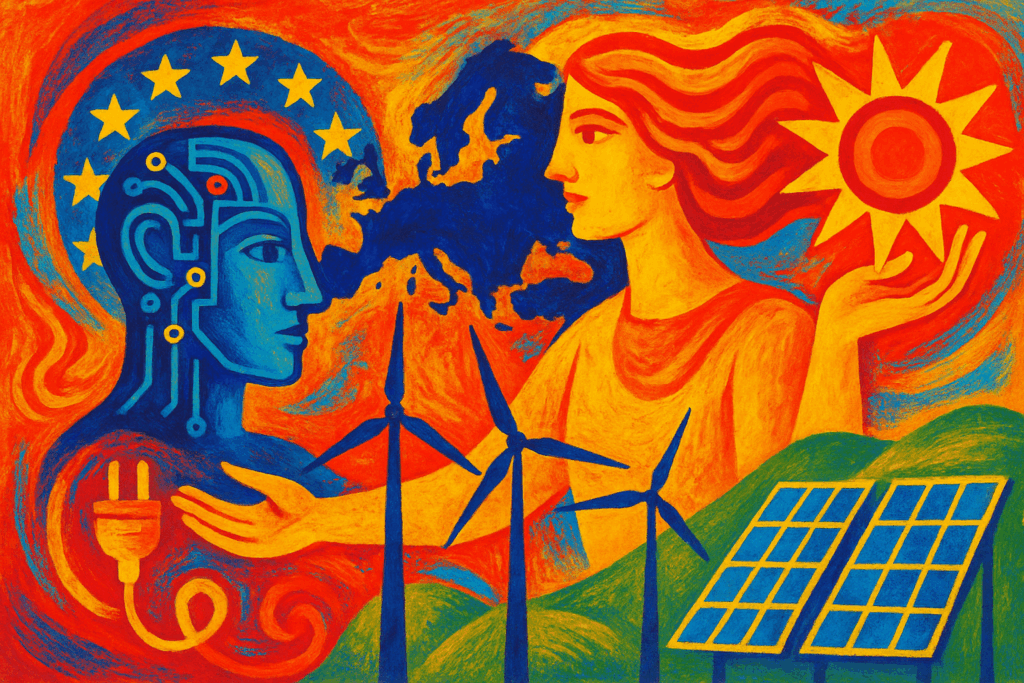
Europe faces an ambitious energy transition aimed at achieving climate goals while safeguarding energy security and competitiveness. Realizing this vision demands coordinated action that goes beyond setting targets. Central to this shift is the integration of artificial intelligence and digital technologies within energy systems, enabling smarter operations and improved flexibility across the grid. Collaboration between governments, industry stakeholders, and technology developers underpins this progress, delivering practical solutions aligned with policy objectives.
From Ambition to Action: Policy and Market Imperatives
Effective energy transition hinges on pragmatic policies that foster investment and system stability. Establishing consistent market designs and harmonized standards across member states creates a reliable environment for private capital. Simplified permitting processes and accelerated upgrades to distribution and transmission networks help unlock energy infrastructure deployment. Demand-side management initiatives further balance supply and consumption, reducing strain on grids. By aligning regulatory frameworks with technology deployment, policymakers can reduce risks and mobilize greater financial resources toward renewables and storage systems.
AI and Digitalization: Powering Smart Grids and Storage
The adoption of AI transforms grid management through enhanced forecasting, real-time analytics, and predictive maintenance. These capabilities improve the integration of diverse resources, including large-scale storage, distributed batteries, and demand response programs. AI-driven platforms enable dynamic optimization that maximizes asset utilization and grid transparency, supporting reliable, efficient energy flow. Digitalization thus acts as the operational backbone, allowing complex, decentralized energy systems to function cohesively and respond swiftly to changing conditions.
Building Resilience: Skills and the 2030 Vision
Addressing the skills gap in technical and digital expertise remains necessary to sustain innovation and operational excellence. Investment in workforce development equips professionals to manage advanced AI tools and evolving infrastructure demands. The 2030 energy mix envisions a high share of renewables complemented by flexible storage and interconnected networks. By integrating AI at every level, Europe aims to build a resilient framework capable of maintaining supply continuity, reducing emissions, and sustaining its energy leadership.
Europe’s energy transition will succeed if strategic policies, AI-driven technologies, and multi-stakeholder collaboration merge into an actionable roadmap. This approach strengthens resilience, mobilizes private investment, and enables a flexible, smart energy system ready for the challenges ahead.