
US technology firms are pressing the European Commission to adopt rules and infrastructure that make energy data AI-ready and to consider strategic stockpiles of critical technologies. Their intervention links commercial cloud and AI interests with broader concerns about energy security following the Ukraine war.
AI Data and Strategic Tech Stockpiling: The Core Demands
The Push for AI-Ready Energy Data
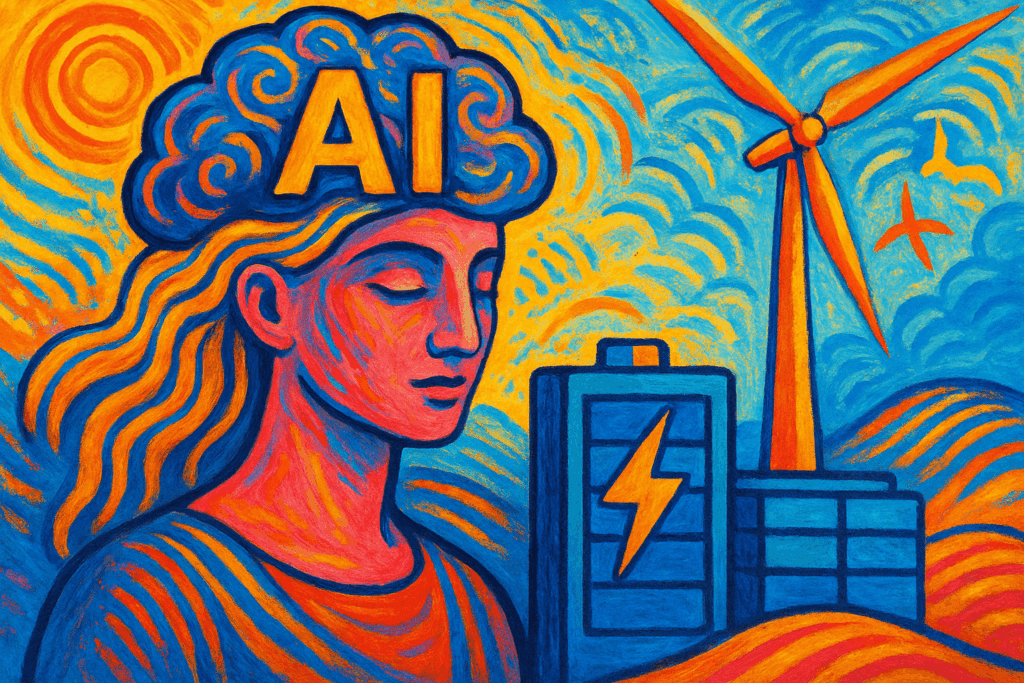
Companies such as Google, Microsoft and Amazon argue for standardized, machine-readable energy datasets, open APIs for grid telemetry and anonymized consumption records. The pitch: consistent data formats accelerate model training, permit cross-border grid optimization and speed deployment of AI-driven demand response and storage orchestration platforms.
Call for Technology Stockpiling Amid Geopolitical Shifts
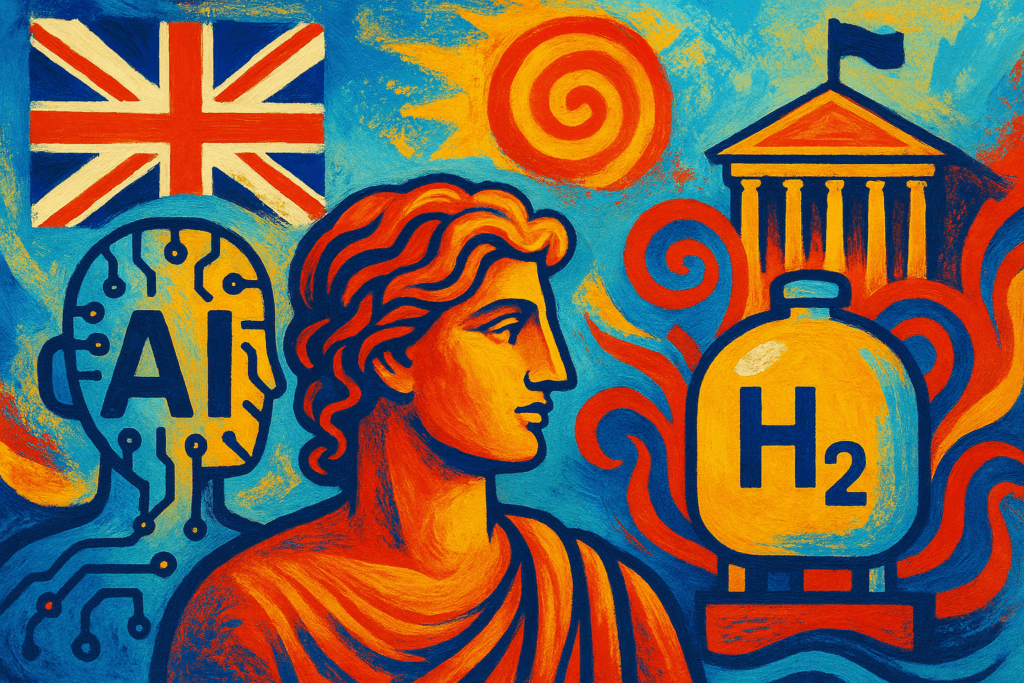
Tech leaders advise stockpiling semiconductors for power electronics, battery-grade materials, and critical sensing hardware. The Ukraine war exposed supply-chain fragilities and heightened risks to components used in energy storage and grid controls. Stockpiles are framed as insurance against export restrictions, manufacturing interruptions and sudden demand spikes for AI accelerators that run energy management systems.
Implications for EU Energy Independence and AI Systems
Policy influence from US firms can accelerate EU deployment of AI-driven storage and grid control tools. Short term, tighter integration with cloud AI providers may improve efficiency and lower costs for utilities and storage operators. Longer term, the EU risks greater dependency on non-EU cloud stacks, proprietary models and foreign supply chains for chips and batteries. That raises sovereignty questions: who controls operational data, who vets algorithms for system stability, and how resilient are procurement chains for inverters, sensors and energy storage cells?
To protect strategic autonomy while leveraging innovation, the EU may need a mix of binding data governance, domestic industrial investment and targeted reserves of critical components. Public-private cooperation can align standards without ceding regulatory authority.
Outlook for AI in EU Energy
The coming policy choices will define whether AI becomes an enabler of European energy sovereignty or a vector of external dependence. Expect a tug-of-war between rapid commercial rollout and regulatory moves to secure data, diversify supply chains and build local manufacturing for storage technologies.