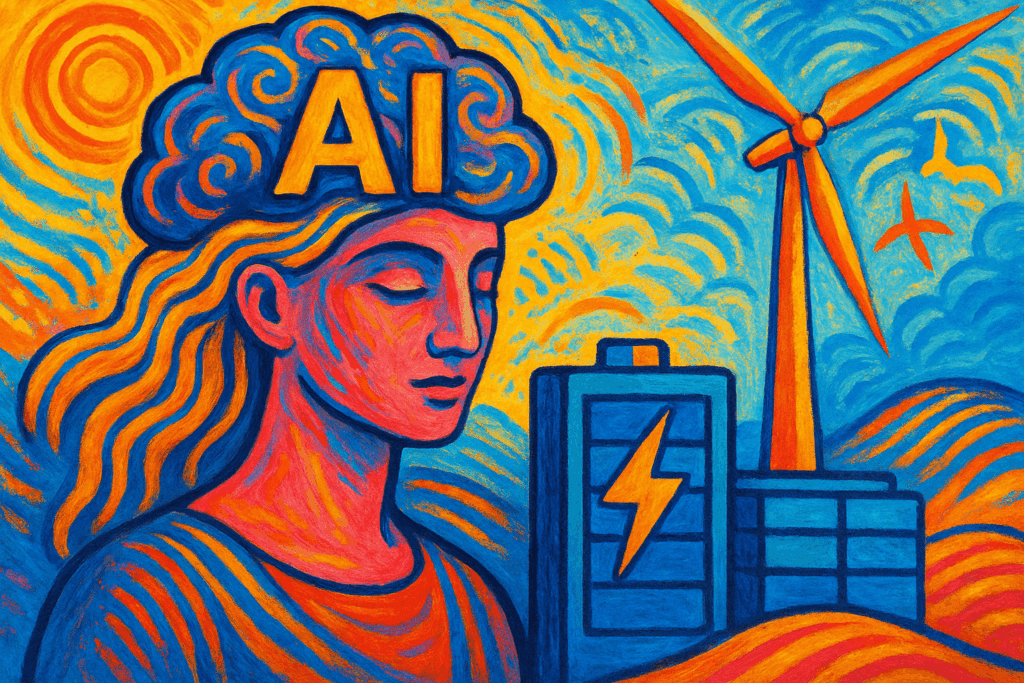

The Energy Transition’s Digital Leap: Storage at the Core
Renewable deployment and rising electrification are accelerating the move to digitalized power systems. Energy storage sits at the center, providing flexibility, fast response and system intelligence so grids remain reliable as conventional generators retire.
Dynamic Grids: Integrating Renewables and Advanced Storage
The Dual Role of Short and Long-Duration Storage
Rapid growth in wind and solar shifts supply variability from predictable baseload to weather-driven output. Short-duration BESS delivers frequency control, congestion relief and fast ramping, while long-duration storage provides prolonged supply, seasonal shifting and resilience during extended low-renewable periods. A diversified portfolio of durations and chemistries reduces system costs and supports higher renewable penetration.
Grid-Forming Technologies for Stability
As synchronous generators exit, grid-forming inverters in BESS emulate inertia and voltage support, allowing converters to act as virtual generators. These capabilities stabilize frequency and voltage, reduce blackout risk and enable islanding for critical loads. Deployment of grid-forming systems is moving from pilot projects to commercial scale as operators demand secure, inverter-based solutions.
Policy, Cybersecurity, and New Demand Frontiers
Evolving Policy for a Digital Grid
Market rules and regulatory frameworks must adapt to value services that storage provides beyond energy arbitrage. Clear procurement signals, capacity mechanisms that reward flexibility, and standardized interconnection processes attract capital and accelerate deployment. Policy clarity in digital markets will influence investor confidence and speed to market.
Cybersecurity as a Foundational Pillar
Greater digital interconnection raises attack surfaces across control systems and communications. Robust cybersecurity practices, resilience planning and regulatory scrutiny are becoming standard expectations from grid operators, investors and insurers. Security measures must be baked into procurement and operations.
AI-Driven Data Centers Reshaping Demand
Surging electricity demand from AI workloads and hyperscale data centers creates new flexibility needs. BESS can serve as rapid backup, demand response assets and grid support, offering revenue streams that change project economics. Co-locating storage with compute and renewables opens new market models.
Shaping the Future of Energy Storage
Success will come from adaptable systems that combine varied storage durations, grid-forming controls, hardened cybersecurity and policy frameworks that recognize digital services. The intersection of AI, data demand and storage technology offers opportunities for resilient, low-carbon grids when technology, markets and regulation evolve together.