
The Energy Demand Driving Onsite Solutions
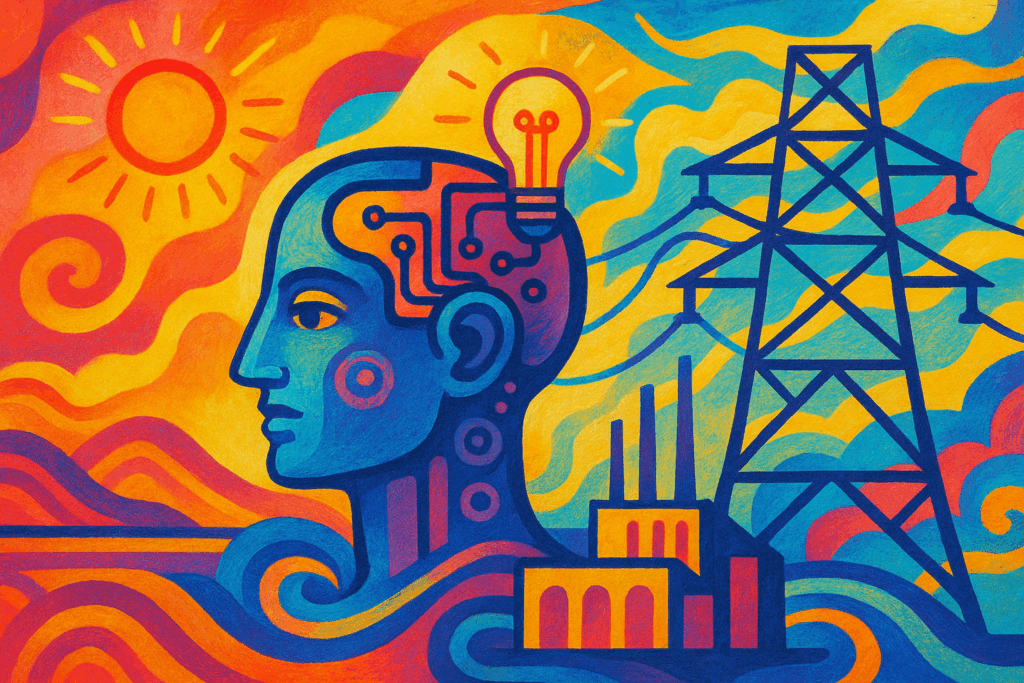
Generative AI workloads have pushed compute and power needs to new peaks. Long grid interconnection timelines, constrained transmission capacity, and the need for predictable uptime have prompted firms such as Microsoft and Google to build or contract onsite power plants for AI data centers. These installations are a fast route to steady, high-capacity supply when waiting years for utility upgrades is not an option and competitive pressure favors rapid model training and deployment.
Natural Gas: An Immediate, Contentious Power Source
Natural gas turbines and containerized reciprocating engines are the leading onsite options. They are dispatchable, relatively compact, quick to permit and install, and can follow rapid load changes. For operators, that translates into reliable service and lower near-term capital risk compared with costly grid upgrades. The trade offs include increased CO2 and potential methane leakage, which can conflict with corporate net zero claims and invite regulatory and community pushback. Economically, onsite gas can be cheaper than the combined cost and delay of grid expansion but may carry future carbon pricing or compliance costs.
Balancing Growth with Green Ambitions
Tech firms are pairing short-term gas with longer-term decarbonization strategies. That mix includes large renewable contracts, onsite solar plus battery storage, demand-side management, and investments in more efficient hardware and software to reduce energy per inference. Emerging options include hydrogen blending, carbon capture, and advanced nuclear microreactors as potential low carbon baseload replacements. Waste heat reuse and server-level efficiency gains can trim demand, but they rarely remove the need for high-density, dispatchable supply.
Outlook for AI’s Energy Future
The near term will likely see more hybrid landscapes: onsite gas for reliability, batteries and solar for peaking, and long-term shifts toward cleaner firm power. Utilities and regulators will feel pressure to accelerate interconnections and streamline permits. For investors and policymakers, the key signals are rising demand for flexible generation, storage, and advanced cooling and efficiency technologies. For the AI industry, energy strategy will be a strategic factor that shapes where and how quickly compute capacity grows.
EnergyAIInsiders perspective: track infrastructure buildouts and policy changes to anticipate where AI compute concentrates next.