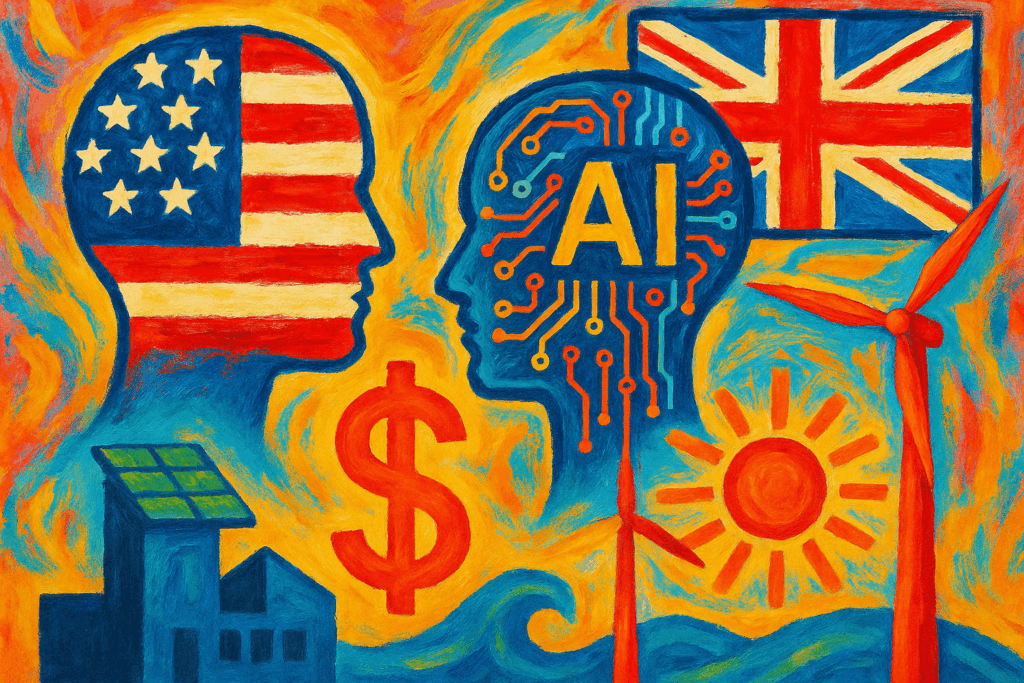

AI’s Energy Challenge: Powering the Future Responsibly
Rapid growth in large AI models and distributed inference is driving a steep increase in compute demand across hyperscale and edge data centers. That demand translates to significant electricity use, rising cooling needs, and a larger carbon footprint unless infrastructure changes. For decision makers and investors, the energy question is now a strategic one.
The Unseen Cost of AI: Escalating Energy Demands
Training state of the art models consumes large amounts of power for weeks at a time, while inference at scale creates continuous operational loads. Primary drivers include model size, higher clocked accelerators, and global distribution of workloads closer to users. Data center expansion by cloud providers and new AI-focused facilities adds to grid stress in regions with limited clean generation.
Green AI: Innovations for Sustainable Infrastructure
Several practical technologies are reducing energy per useful operation and shifting power toward low carbon sources.
- Energy-efficient hardware: Specialized chips and architectural changes cut compute energy per inference and training step. Right-sized accelerators and mixed-precision compute reduce wattage without sacrificing throughput.
- Advanced cooling: Liquid and immersion cooling lower server temperatures and reduce fan power, improving overall site power usage effectiveness.
- Operational software: Dynamic workload scheduling, model pruning, and carbon-aware job timing move energy use to cleaner windows and reduce wasted cycles.
- Renewable integration: On-site solar, wind procurement via long-term contracts, and battery storage smooth variability and back up critical AI services.
The Path Forward: Balancing Innovation with Sustainability
AI presents an opportunity for energy tech innovation. Expect continued investment in specialized processors, distributed architectures that lower transport losses, and AI tools that optimize energy use in real time. Policy, transparent reporting of energy intensity, and closer collaboration between cloud providers and grid operators will shape whether AI scales with decarbonization or adds to emissions. For operators and investors, the choice is to adopt these practical solutions now and capture both performance and sustainability gains.