
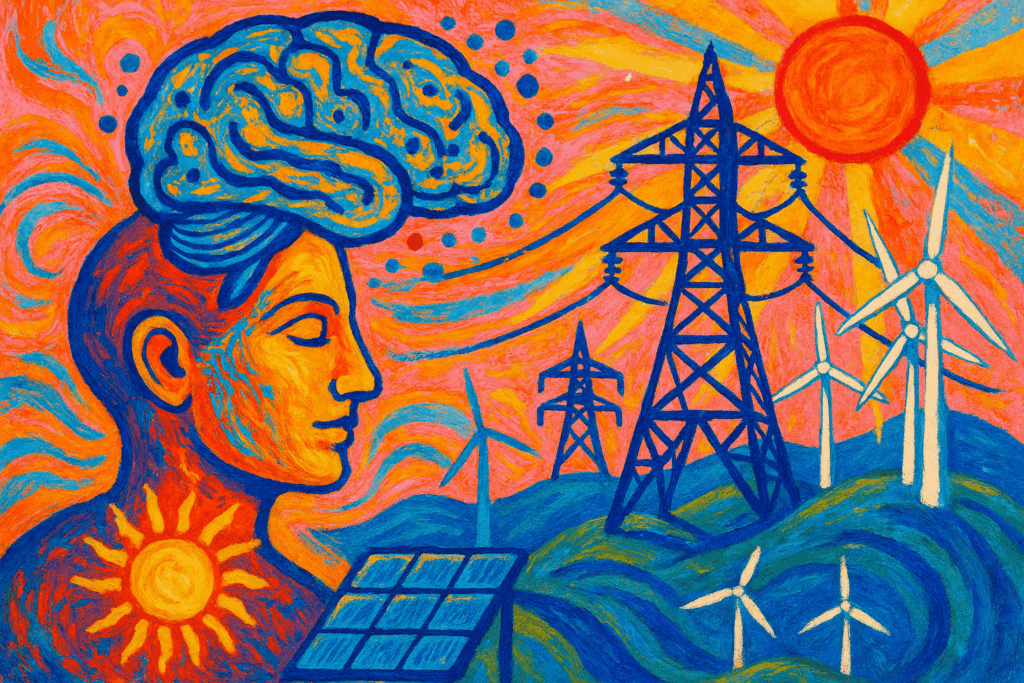
AI’s Expanding Footprint in Energy Infrastructure
Artificial intelligence and machine learning are moving from pilot projects to operational systems across power networks. Today AI is applied to large datasets from sensors, SCADA, and market feeds to solve concrete challenges: predicting equipment failures, forecasting demand and generation, and optimizing asset use. For executives and engineers, AI offers measurable reductions in downtime and operating costs while improving decision speed for complex tradeoffs.
Smarter Grids, Enhanced Reliability
AI improves grid reliability through high-frequency analytics and pattern recognition. Predictive maintenance models spot insulation degradation and bearing wear before failures occur. Short-term load forecasting and real-time state estimation enable automated control actions that prevent overloads and cascading outages. Distributed energy resource management systems leverage AI to coordinate thousands of devices, smoothing peaks and reducing stress on transmission and distribution infrastructure.
Boosting Renewables and Efficiency
Integrating variable solar and wind becomes more practical when forecasts are accurate and storage dispatch is optimized. Machine learning models reduce forecast error, allowing plants to bid more confidently into markets and lowering curtailment. AI-driven scheduling and battery management maximize value from storage assets. On the demand side, data-driven energy management cuts consumption during high-price periods and improves overall system efficiency.
The Road Ahead: Innovation and Impact
Near-term strategic implications are clear: AI can defer capital expenditures by improving utilization, lower operating expenses, and strengthen resilience. Realizing these benefits requires robust data governance, cyber protections, and workforce upskilling. Policymakers and investors should prioritize interoperable standards and pilot-to-scale pathways. For stakeholders ready to act, AI is not just a technical upgrade but a strategic lever to make energy infrastructure more flexible, economical, and low carbon.
Read more analysis and case studies at Energy AI Insiders to assess practical deployment paths and ROI for your assets.