AI’s Growing Energy Footprint
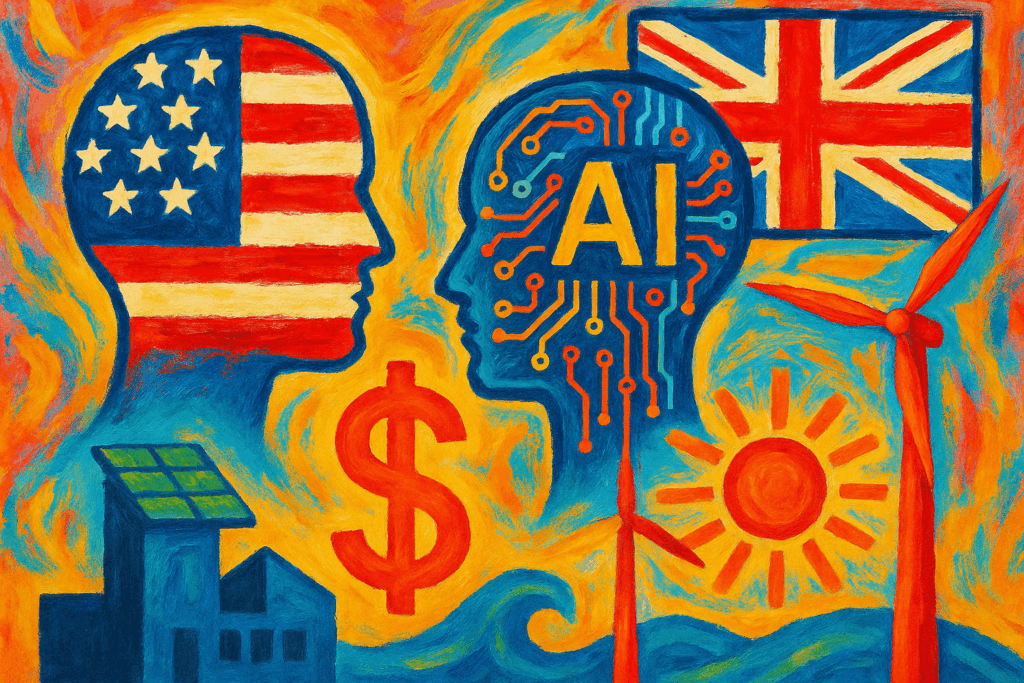
The rapid expansion of AI models and cloud-based services is driving significant electricity demand. Training and operating large models requires concentrated compute in data centers that run 24/7, pushing up power use and related carbon emissions if supplied from carbon-intensive grids. Left unaddressed, AI growth could meaningfully increase national electricity consumption and slow decarbonization goals.
Forging a Sustainable AI Future
Clean Energy Integration
Powering AI infrastructure with low-carbon sources is the most direct way to cut emissions. That means pairing data centers with solar, wind, and firming resources such as storage or long-duration options. Better grid planning and incentives for colocating capacity near clean generation reduce transmission losses and allow data centers to run on cleaner marginal power.
Driving AI Efficiency
Hardware and software improvements lower energy per computation. Energy-efficient AI chips, model pruning, quantization, and modular architectures reduce training and inference loads. Data center design also matters: advanced cooling, liquid immersion, waste heat recovery, and intelligent workload scheduling keep utilization high while trimming energy waste. AI itself can optimize grid operations, demand response, and industrial processes, turning compute power into climate solutions.
The Role of Policy & Transparency
Public policy can steer the market toward low-carbon outcomes. Mandatory energy and emissions reporting for large compute facilities, carbon-aware procurement rules, and clean energy standards for data centers create accountability. Grid operators need visibility into large flexible loads so planners can align capacity with clean generation, and financial incentives can accelerate investment in low-carbon infrastructure.
A Call for Sustainable AI Innovation
The choices made today will shape AI’s climate impact. Strategic investments in renewables, focused R&D on efficient hardware and models, and clear policy signals create an opportunity for the energy and AI sectors to lead. With coordinated action, AI can accelerate decarbonization while scaling responsibly.