
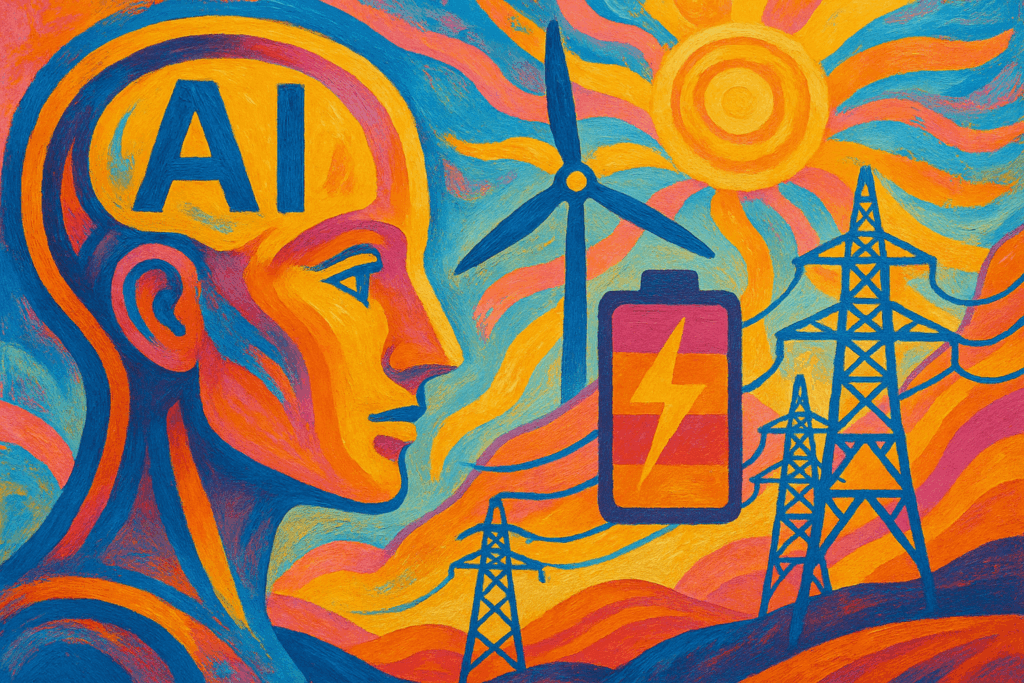
The energy transition is accelerating as electrification moves from aspiration to industrial policy. Meeting climate goals will require scaling electricity use across transport, buildings, and industry while adapting grids that were not designed for this pace of change. Time is limited and the gap between ambition and grid readiness is widening.
The Electrification Imperative: Speed vs. Infrastructure
Electrification is the most direct path to decarbonization, but distribution networks are already strained by rising loads and distributed generation. Aging assets, permit delays, and physical bottlenecks mean adding capacity through traditional upgrades is slow and expensive. Without smarter use of existing assets, the pace of electrification risks stalling despite strong policy signals and market demand.
AI and Digitalization: Solutions for a Strained Grid
Digital platforms and AI provide real-time visibility and automated control that multiply the effective capacity of current infrastructure. Machine learning forecasts load and generation with finer granularity. Grid orchestration tools coordinate distributed energy resources, battery storage, and demand response to defer costly reinforcements. Autonomous fault detection and predictive maintenance lower downtime and extend asset life. In short, software and AI make the grid more agile, safer, and more efficient without waiting years for physical upgrades.
Policy’s Pivotal Role in the Transition
Regulatory clarity matters for investors and operators. Standards for data sharing, procedures for autonomous operations, and market signals that value flexibility are all required to unlock private capital. Uncertainty about interconnection rules, liability for automated controls, and inconsistent incentives across jurisdictions slows deployment and raises project costs.
Future-Proofing the Grid: Actionable Steps for Leaders
Leaders should start by creating a digital baseline: map assets, deploy sensors, and adopt interoperable software stacks. Invest in AI-driven grid management pilots that coordinate DERs and storage. Advocate for predictable regulatory frameworks that reward flexibility and data interoperability. Train operations teams for automated workflows and prioritize scalable architectures that allow iterative upgrades. These steps convert ambition into operational progress and position utilities and investors to capture the value of a cleaner, electrified economy.