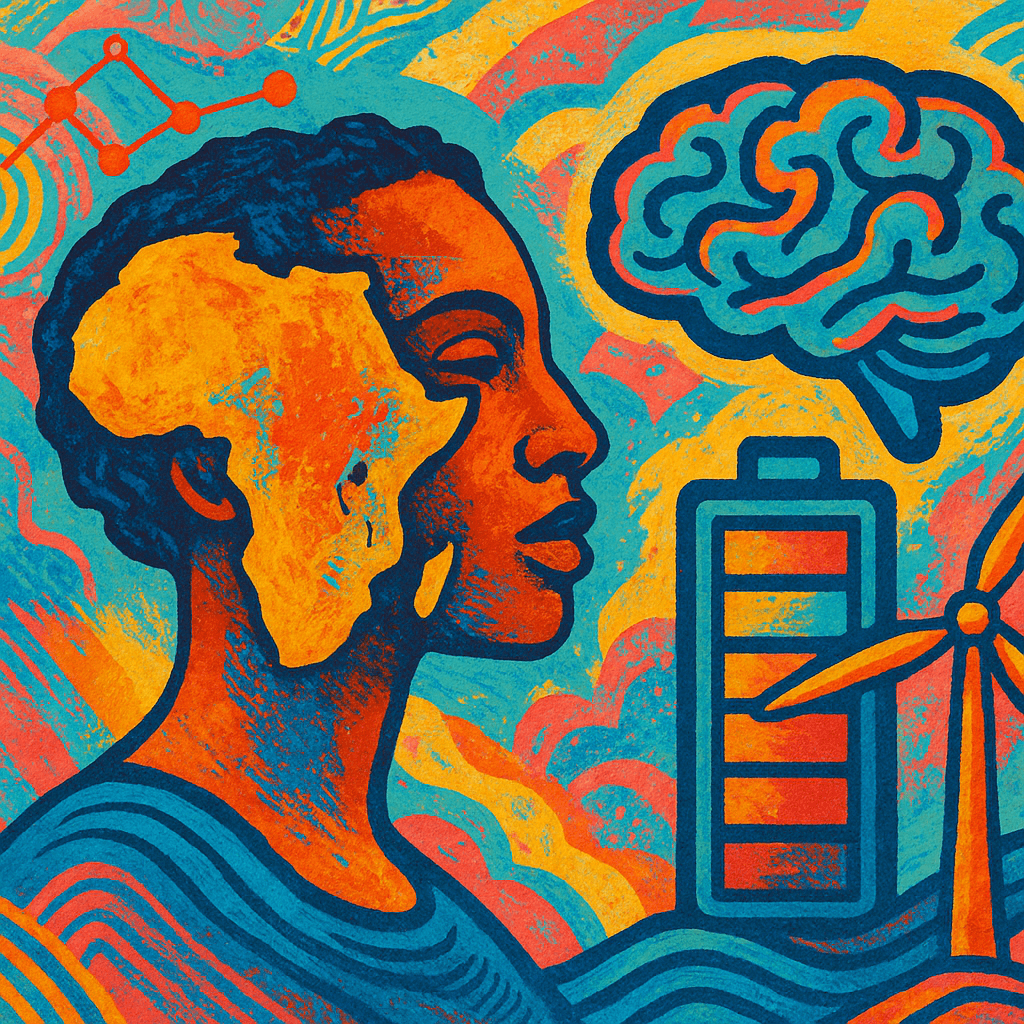
Africa’s energy transition depends on more than solar panels and batteries. A reliable digital backbone is the prerequisite for AI systems that optimize energy storage, balance variable renewables and stabilize grids across diverse markets.
AI Optimizing Energy Storage for Africa’s Grids
AI relies on high-quality data from sensors, smart meters and real-time grid telemetry to predict demand, forecast renewable output and schedule battery charge and discharge. With connected networks, models can reduce curtailment of solar and wind, extend battery life through smarter cycling, and enable virtual power plant operations that aggregate distributed storage for grid services. Predictive maintenance lowers operating costs while demand-response algorithms shift load to match storage availability, improving reliability in both mini-grids and national systems.
Crafting Policy and Investment for Smart Storage
Scaling AI-enabled storage requires aligned policy and financing. Regulatory clarity on market participation, ancillary service remuneration and storage ownership models unlock revenue stacking for projects. Open access to grid data, standardized communication protocols and strong cybersecurity rules protect systems and investor confidence. Data sovereignty frameworks must balance cross-border analytics with local control of sensitive information. On the financing side, blended finance, performance-based contracts and tariff reforms can bridge high upfront costs and de-risk private capital for long-duration storage pilots and commercial rollouts.
African Progress and the Path Forward
Initiatives such as the Digital Energy Challenge and expanding data center investments show momentum toward a digital foundation. Pilot projects that pair storage with AI-driven controls are proving technical value. Next steps for policymakers and investors include prioritizing fiber and metering rollout, adopting interoperable data standards, funding AI-storage demonstrations, and creating regulatory sandboxes to test market mechanisms. Together these measures will let AI move from experimental to operational, unlocking efficiencies that support affordable, resilient and cleaner power across the continent.