
AI’s Growing Energy Footprint and Local Impact
Rapid expansion of AI datacenters is transforming digital infrastructure into a local utility issue. Forrester estimates AI will grow from roughly 12% of datacenter electricity use in 2024 to about 70% by 2035 in the United States. That shift concentrates high, predictable loads in regions hosting large facilities and raises costs, transmission needs, and environmental pressure on nearby communities.
Community Challenges and Grid Opportunities
Datacenters create concentrated demand for electricity and water, bring noise and land use tensions, and can stress local distribution networks. At the same time, new facilities often motivate upgrades: investments in transmission, substation capacity, and local generation. Operators can catalyze renewable projects, and grid upgrades tied to datacenters can deliver broader community benefits when planned with residents and local utilities.
Strategic Energy Storage: A Policy Imperative
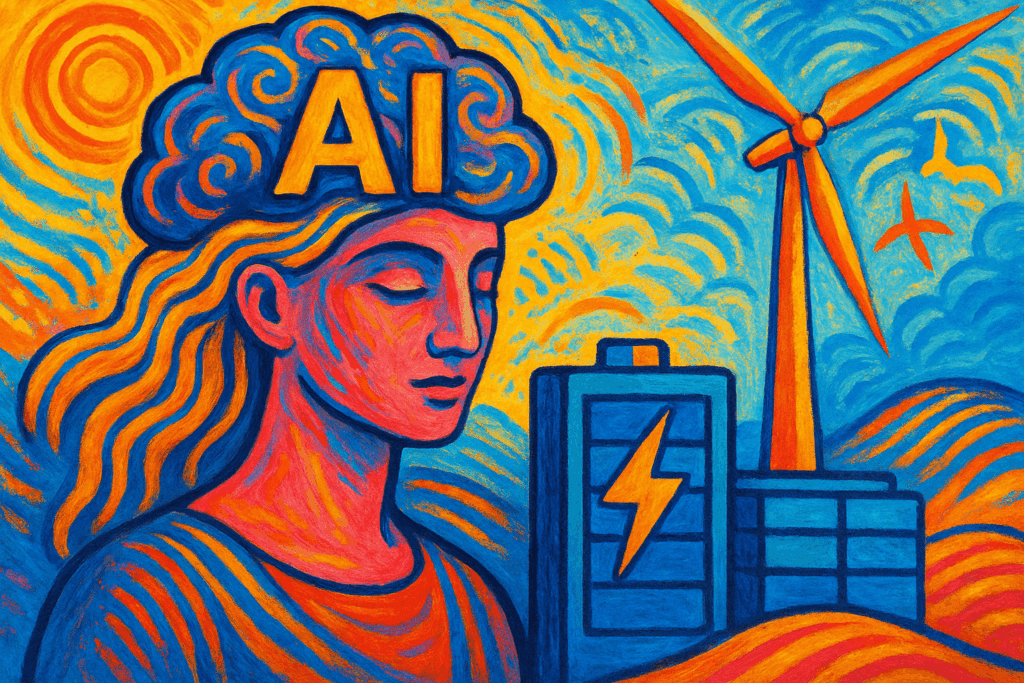
Large, predictable AI loads present a clear opportunity for energy storage integration. Battery energy storage systems, long-duration storage, and hybrid solutions can shift consumption away from peaks, provide frequency and voltage support, and absorb variable renewable output. Well crafted policy will incentivize storage deployment near AI hubs by offering capacity payments, time-of-use price signals, investment tax credits, and streamlined permitting for co-located storage and datacenter sites.
Policy must also recognize grid services. Compensating storage for ancillary services and resource adequacy creates revenue streams that lower operating costs for AI operators and utilities. Requiring transparent reporting of load profiles and promoting standardized interconnection practices will accelerate storage adoption and unlock renewable integration at scale.
Fostering Shared Accountability for Sustainable AI
Sustainable AI requires shared responsibility. Operators should adopt community-sensitive practices, as Microsoft has with its “Community First” approach to power and water costs. Enterprises that deploy models must factor infrastructure impacts into procurement and site selection. Policymakers need to set rules that internalize grid costs and reward storage that reduces local burden.
AI Energy Systems Storage Policy is a practical lever to maintain grid resilience, advance renewable integration, and protect communities while sustaining AI growth. Coordinated action by operators, enterprises, regulators, and utilities will determine whether AI becomes a strain or a driver of cleaner, more resilient energy systems.