AI’s Growing Energy Appetite Strains Grids
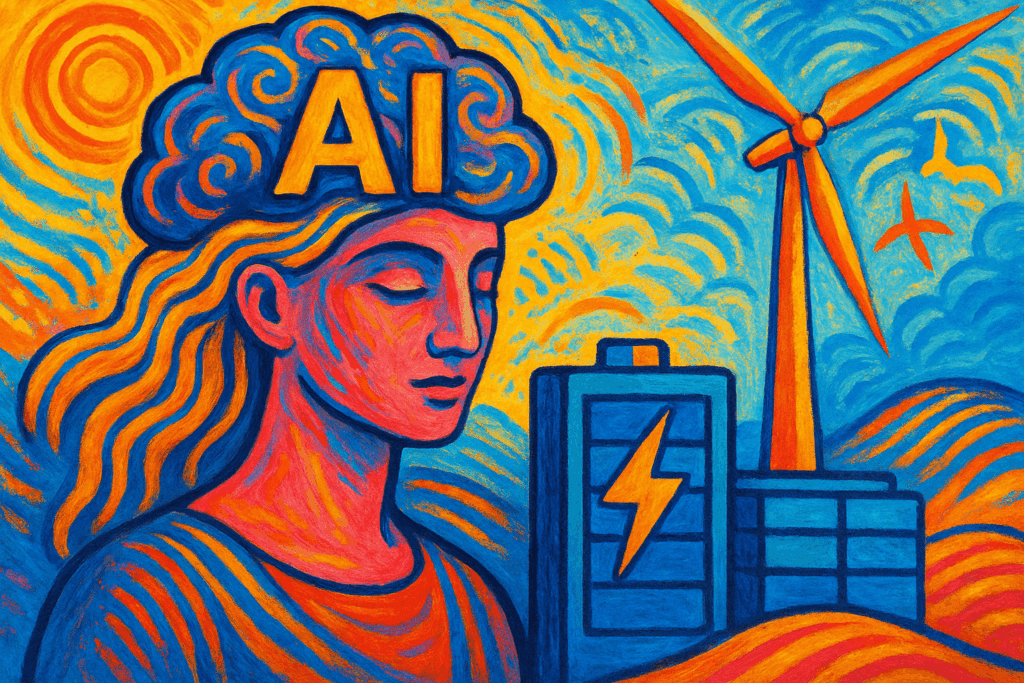
Generative AI has shifted from a purely software story to one that directly taps physical resources: power, water and grid capacity. A single large-model training run can use as much electricity as thousands of households. Serving realtime models also drives sustained peak loads that are invisible to end users. That invisibility creates a rebound effect where demand grows faster than efficiency gains.
A Shared Responsibility for Sustainable AI Power
Meeting AI’s energy needs requires clear roles across three groups. Call this the Tripartite Responsibility Model.
Providers
- Pay for the marginal grid costs of colocated expansion, including premium utility rates or capacity charges when required.
- Invest in advanced cooling and water-saving technologies and make long-term grid investments part of procurement decisions.
- Publish transparent energy and water metrics per workload so buyers can compare impacts.
Enterprises
- Adopt lean AI practices: model pruning, quantization, and right-sizing inference instances.
- Schedule compute-heavy tasks to align with available renewable supply and use time-of-use tariffs.
- Include energy costs and grid impact in procurement and architecture reviews.
Users
- Adopt a carbon-aware mindset for high-volume use cases and prefer explicit cost or impact settings.
- Demand transparent dashboards from providers so individual choices reflect real resource use.
Policy and Storage: Fueling AI’s Future Responsibly
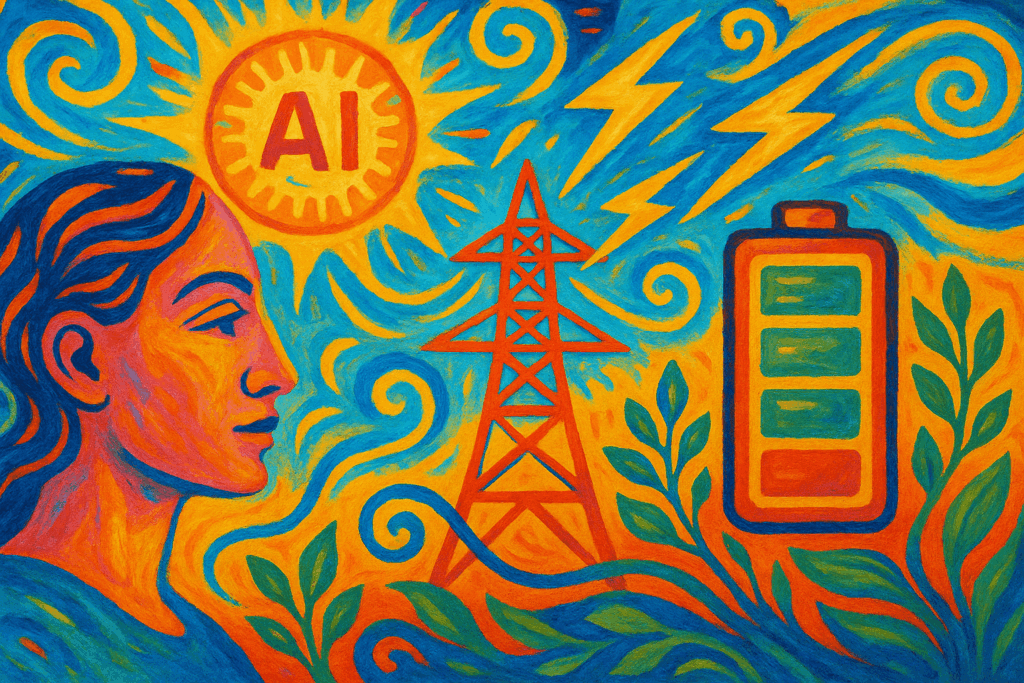
Policy must require transparency, fair allocation of grid upgrade costs, and recognition of water consumption in data center siting. Energy storage is central to stability. Battery systems provide peak shaving, frequency support and the ability to time-shift AI workloads onto abundant renewable output. Longer-duration storage will be needed as compute grows.
Practical steps: mandate energy and water reporting, create utility rate structures for hyperscalers that fund grid expansion, incentivize colocated storage, and adopt procurement rules that favor energy-efficient models and time-shifted compute. Together, these measures can keep AI scalable while protecting grids, water resources and communities.