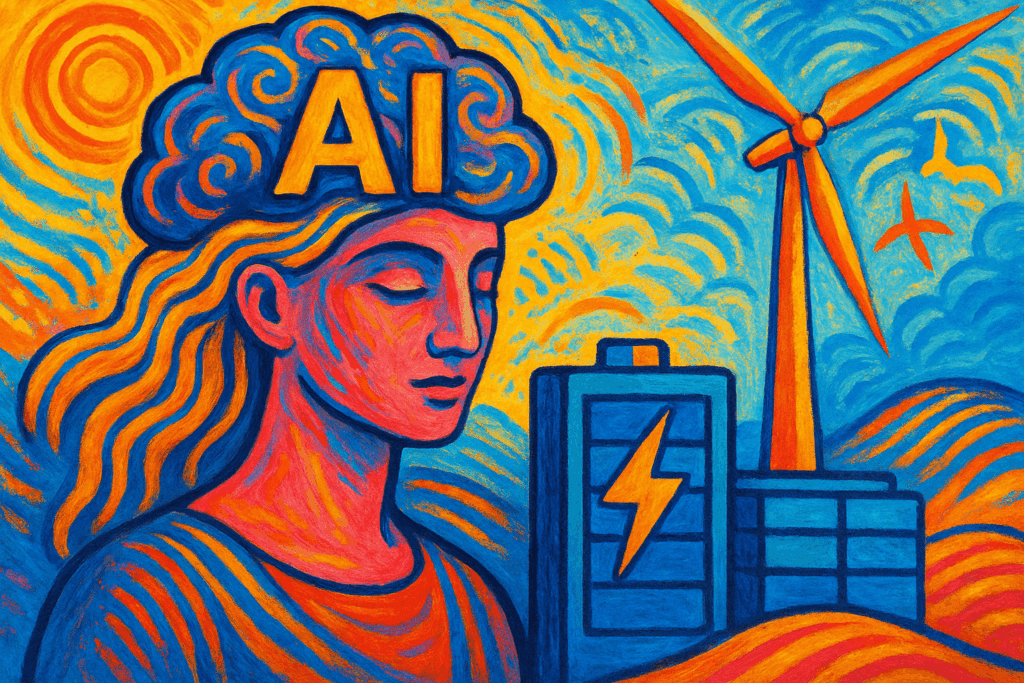
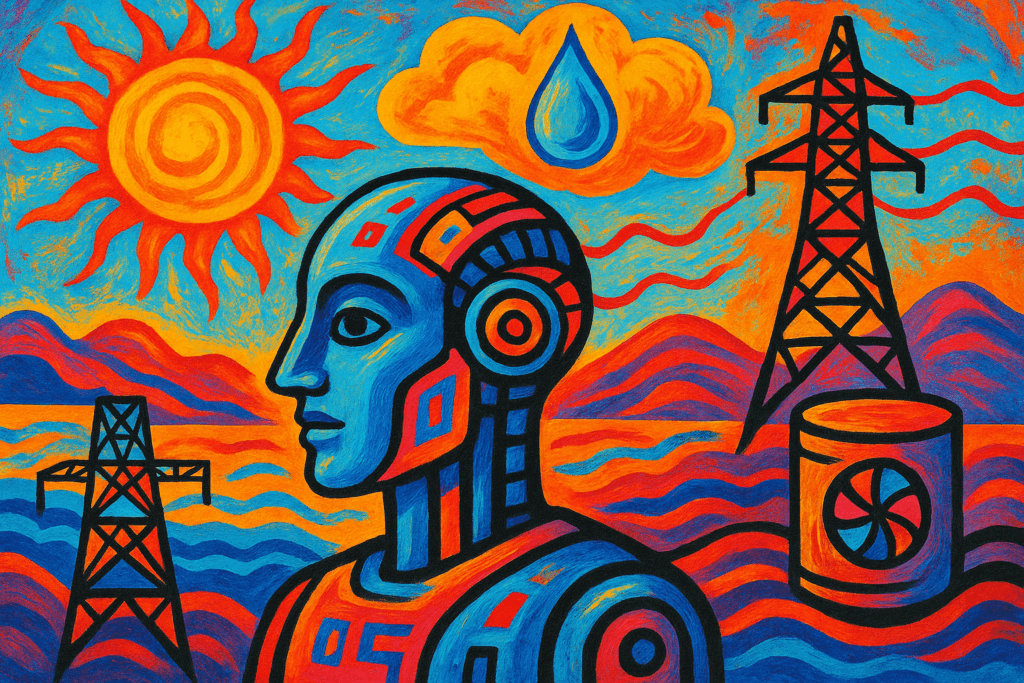
Artificial intelligence deployment is accelerating data center growth and concentrated compute loads at a scale few planners anticipated. By 2026 these demands will intensify pressure on electricity systems and water supplies. EnergyAIInsiders lays out short-term priorities for storage, grid modernization, water management and policy so stakeholders can act with speed and clarity.
The Dual Challenge: AI’s Energy & Water Footprint
Large AI models and hyperscale data centers drive sharply higher electricity consumption and growing adoption of liquid cooling. Liquid cooling reduces server energy loss but increases water withdrawal and reuse needs. Regions already facing scarcity will see operational tradeoffs between compute availability and potable water use. Short-term planning must treat compute growth as a system stress test for both power and water networks.
Powering AI: The Storage & Grid Modernization Imperative
Meeting unpredictable, high-density loads requires diversified, distributed power. Battery energy storage systems provide capacity firming, peak shaving and fast response to protect service continuity. Microgrids and on-site generation reduce transmission dependency and improve resilience for critical compute. At the transmission level, upgrades to lines, substations and smart protection systems are needed to carry heavier, more variable loads while integrating renewable generation and storage.
Policy & Investment: Catalyzing the Transition
Policy clarity and targeted capital are required now. Governments should prioritize funding streams for energy storage deployment, grid hardening and water-efficient cooling retrofits for data centers. Regulatory frameworks that value flexibility and capacity contribution from storage will unlock private investment. Public-private partnerships can accelerate upgrades in regions where AI expansion is concentrated.
The Path Ahead: Smart Systems for Sustainable AI
Digital platforms, software-defined automation and industrial AI will coordinate energy, water and compute to optimize performance and reduce waste. Energy efficiency, electrification and decarbonization strategies must be paired with water stewardship. The call to action is immediate: align investment, regulatory incentives and technology deployment so infrastructure keeps pace with AI by 2026 while preserving resilience and sustainability.