
AI’s Energy Appetite: A Looming Challenge for Tech Giants
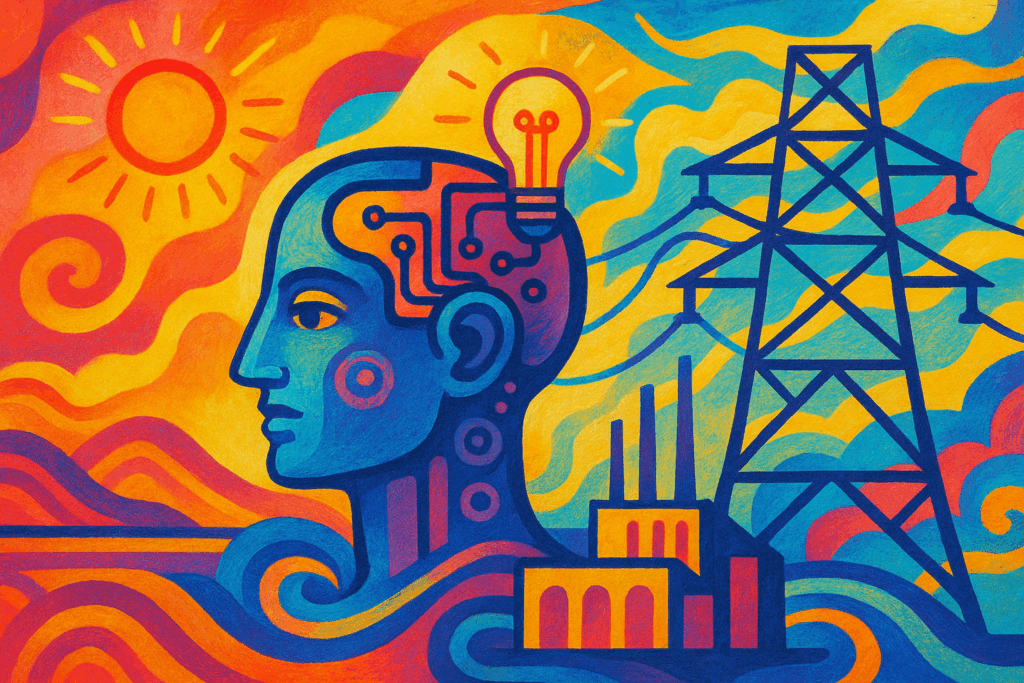
The surge in artificial intelligence development, exemplified by breakthroughs like Microsoft’s post-ChatGPT expansion, has brought a new dimension to the energy demands faced by large technology companies. While these firms have committed to ambitious climate goals, including carbon neutrality and negativity, the rapid scale-up of AI infrastructure has created an immediate tension. The exponential increase in AI computational needs is placing unprecedented pressure on energy consumption, prompting a re-evaluation of existing sustainability strategies.
The Gigawatt Dilemma: Scaling Power for AI Infrastructure
AI systems demand vast amounts of power, with data centers operating at gigawatt-scale energy usage to support training and deployment of complex models. This level of consumption presents a formidable obstacle for companies aiming to maintain carbon-negative operations. For instance, Microsoft’s accelerated AI projects have led to an energy footprint that rivals entire cities. Meeting such power requirements while adhering to strict sustainability targets is challenging, as renewable energy supplies and energy-efficient technologies must rapidly evolve to keep pace with demand.
Reframing Sustainability in the AI Era
The intersection of AI’s growing energy needs and Big Tech’s environmental commitments calls for a significant shift in both energy infrastructure development and corporate climate strategies. Energy industry stakeholders face an urgent opportunity to innovate in scaling clean power generation, grid management, and energy storage to support AI’s insatiable appetite. This moment marks a critical inflection point where collaboration between technology and energy sectors will determine the feasibility of sustainable AI growth. As this challenge unfolds, strategic decisions made today will influence the trajectory of both green technology and artificial intelligence advancement.