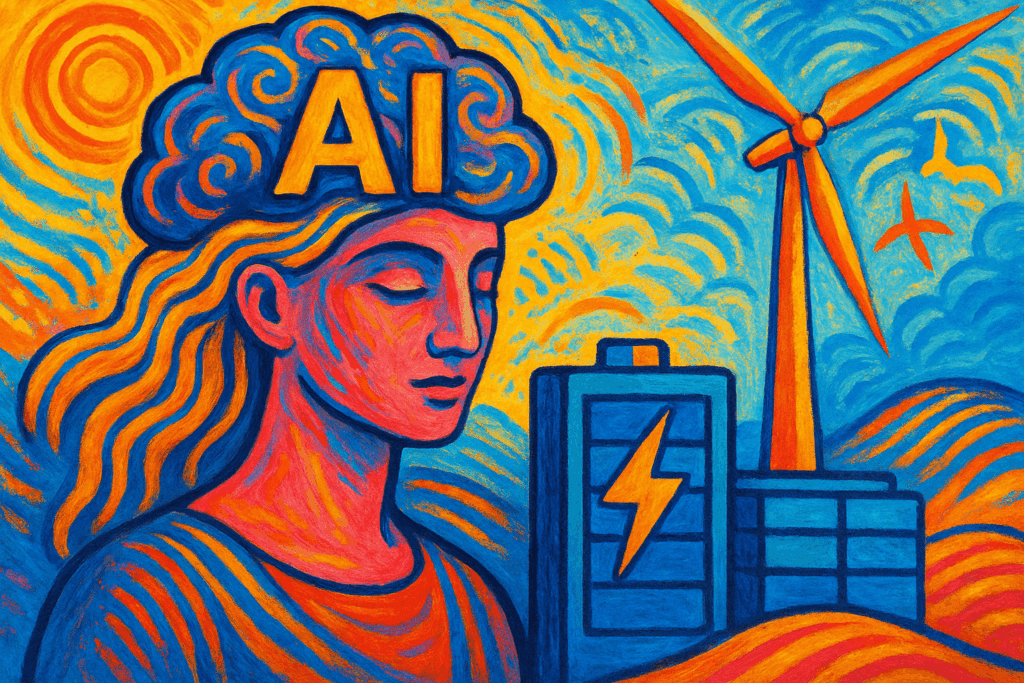

AI-Optimized Energy Storage: Powering the Next Energy Revolution
As renewable capacity rises, intermittent generation from wind and solar creates supply-demand gaps that traditional storage strategies struggle to close. AI-optimized energy storage applies predictive algorithms, reinforcement learning, and real-time orchestration to manage batteries and fleets of distributed assets with higher accuracy and lower operating cost. That makes storage a more reliable partner for a decarbonized grid.
Overcoming Renewable Energy’s Challenge
AI addresses intermittency in three practical ways: short-term forecasting that reduces balancing errors, intelligent dispatch that shifts energy to high-value periods, and predictive maintenance that extends asset life. The result is less curtailment, better peak-shaving, improved frequency regulation, and lower total system cost. For operators, this translates into higher uptime and smoother integration of variable generation.
Intelligent Grid Integration and Efficiency
Digital twins and network-scale models let operators test scenarios and optimize multi-site storage across transmission and distribution layers. AI coordinates batteries, demand response, and generation to reduce congestion and defer expensive upgrades. Concrete benefits include:
- Reduced balancing costs through smarter charging and discharging schedules
- Lower degradation via adaptive charge management
- Faster fault detection and recovery using anomaly detection
- Improved market participation by aggregators with automated bidding
The Road Ahead: AI, Storage, and Policy
Technology alone will not scale benefits. Policy must define data governance, certification, and market rules that allow AI-driven storage to compete fairly. Priority actions include regulatory sandboxes for new algorithms, interoperability standards for device telemetry, clear liability frameworks for automated dispatch, and procurement paths that value flexibility services. Public funding for pilot projects and workforce training will accelerate deployment while transparency and explainability requirements address trust and safety concerns.
Well-designed policy unlocks investment and protects consumers, making AI-optimized storage a stable, measurable component of the next energy system. Stakeholders should prioritize standards and pilots now to convert AI potential into operational resilience and cost savings.