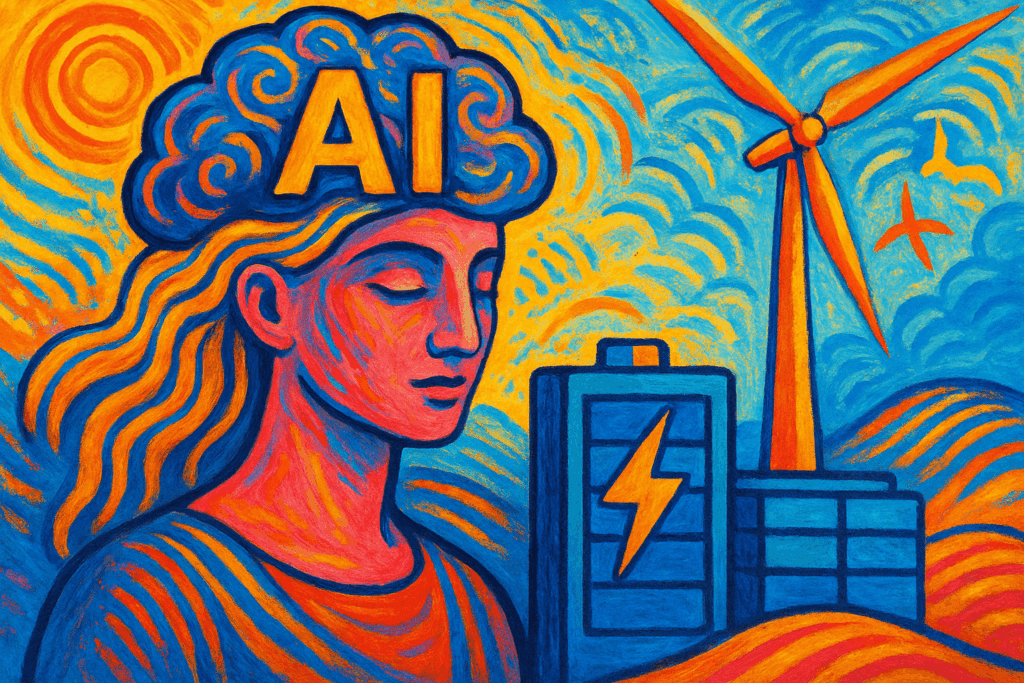

AI’s Pivotal Role in Renewable Energy Adoption
Artificial intelligence is moving beyond pilot projects to a foundational tool for U.S. renewable deployment. Machine learning models improve short and long term generation and demand forecasts, enabling higher shares of variable wind and solar while reducing curtailment and system costs. AI-driven optimization of dispatch and market participation lets renewables and storage respond to price signals in real time, capturing value and making project economics more predictable for investors. For system planners, AI converts diverse sensor and asset data into operational decisions that keep supply and demand balanced across hourly, daily, and seasonal cycles.
Intelligent Management for Grid and Storage Reliability
Operational AI applications include adaptive battery management, predictive maintenance, and real-time load balancing. Advanced BMS software uses state estimation and lifetime models to schedule charge cycles that extend calendar and cycle life of batteries while keeping reserves for critical hours. Grid-scale: AI facilitates virtual power plant coordination, grid-forming inverter control, and fast congestion relief through automated dispatch. These capabilities reduce intermittency risk and raise system resilience by anticipating failures and reallocating flexible resources before outages occur.
Financial Depth and Strategic Policy Directives
Scaling AI-enabled infrastructure requires deeper green finance and targeted public policy. Expanding access to long-term capital through green bonds, credit guarantees, and project finance platforms lowers discount rates for storage and integrated renewables. Policy must support standardized data frameworks, cybersecurity requirements, and certification for AI tools used in grid operations to build market confidence. Federal incentives for commercial-scale pilots, matched state funding, and procurement that values operational intelligence will attract private investment. Workforce programs that combine data science and power systems skills are needed so utilities and vendors can deploy and operate advanced solutions safely.
Policy priorities for the next five years: fund national AI energy testbeds, align green finance with lifecycle asset performance metrics, adopt interoperable data standards, and integrate AI use cases into energy security planning. Together, these steps make storage more reliable, grids more efficient, and private capital more willing to back the transition to a resilient, low-carbon power system.