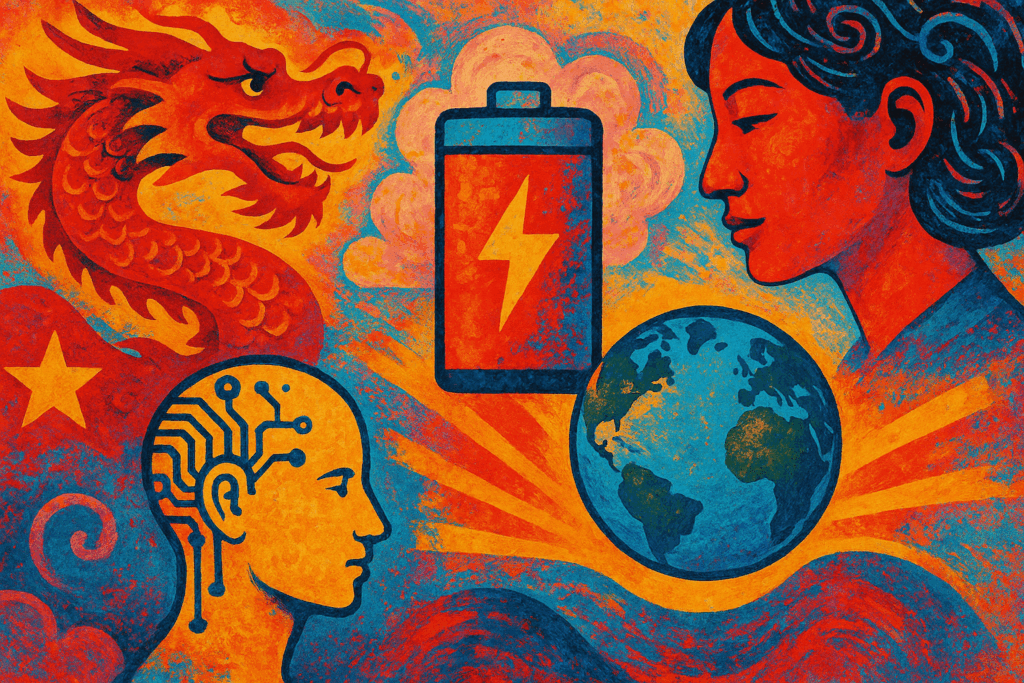
China’s market reforms and surging demand for AI compute are rapidly strengthening its grip on the global energy storage sector. Policy shifts, provincial subsidies and export growth estimates near $65 billion with a reported 75% jump in shipments have combined to make Chinese manufacturers central to both renewable integration and AI infrastructure supply.
AI and Renewables Drive Storage Needs
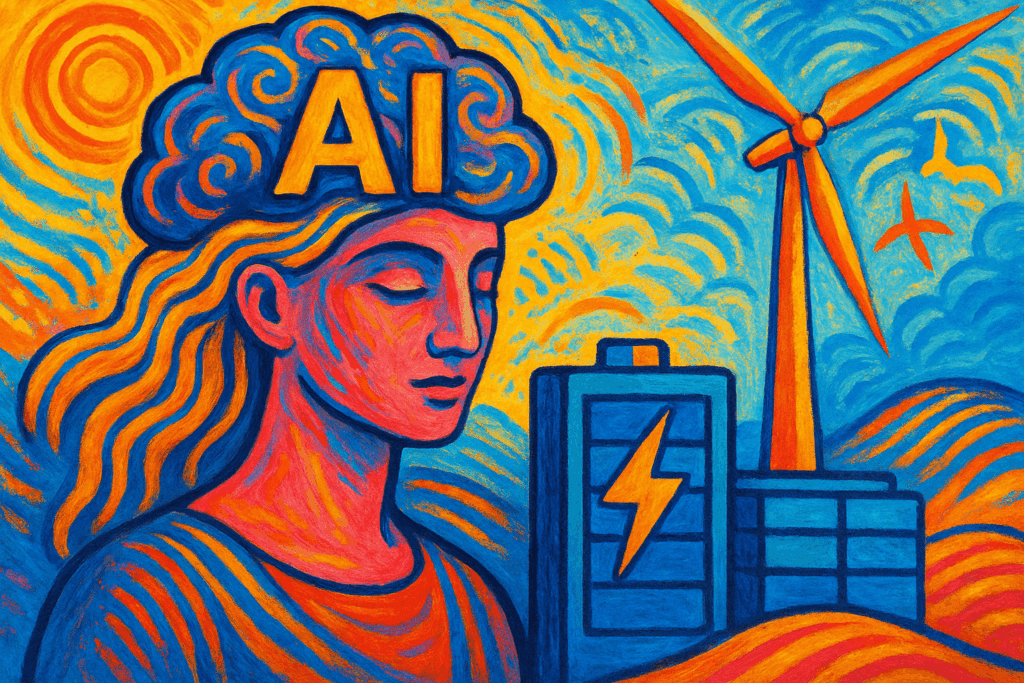
Two forces are converging. First, large-scale AI data centers require uninterrupted, high-density power to run inference and training workloads, increasing peak and flexibility demands on grids. Second, expanding wind and solar fleets create variable generation that must be balanced. Energy storage systems based on lithium-ion batteries are the principal response for short and medium-duration needs.
Market analysts forecast rapid growth in battery energy storage installations and investment as utilities and tech operators prioritize reliability and capacity firmness. For AI operators, on-site and grid-scale storage reduce the risk of compute interruptions while allowing purchases of lower-cost renewable energy when available.
China’s Strategic Reforms and Market Leadership
Recent electricity market reforms moved parts of China from fixed, administratively set rates to competitive mechanisms such as auctions and market pricing. This change turned previously loss-making storage projects into viable assets by allowing owners to capture arbitrage and ancillary service revenues. National frameworks, provincial subsidies and industrial plans have accelerated deployment and factory utilization.
China now hosts the majority of top global battery cell producers, including industry leaders CATL and BYD. Deep manufacturing capacity, integrated supply chains for cathode, anode and cell assembly, and scale-driven pricing advantages let Chinese suppliers outpace rivals on speed and cost. Export flows show dramatic expansion, supporting global ESS rollouts.
Geopolitical factors complicate the picture. US restrictions and tax-credit rules aim to limit certain imports and shift supply chains, yet they have not halted China’s near-term momentum. Policymakers and investors must weigh supply security risks against the practical realities of where large-scale, low-cost battery production exists today.
Conclusion
China’s alignment of market reform and industrial policy with booming AI-driven power needs has created a potent engine for global battery expansion. That combination is reshaping how renewable energy and data-intensive infrastructure are powered worldwide.