Dynamic Market Access for BESS
Ireland’s recent electricity grid update marks a pivotal shift in how Battery Energy Storage Systems (BESS) engage with the power market. By integrating BESS more deeply into the real-time electricity market through the advanced Scheduling and Dispatch Program (SDP), this update enables battery operators to participate actively in balancing supply and demand within short timescales. This operational flexibility allows BESS to respond efficiently to grid signals and market prices, improving revenue potential beyond traditional fixed schedules.
Operational Flexibility and Grid Benefits
With the new mechanisms, BESS can optimize charge and discharge cycles dynamically, providing essential grid services such as frequency regulation and peak load management. This enhanced participation contributes directly to grid stability by smoothing fluctuations caused by variable renewable generation. For grid operators like EirGrid, SONI, and market facilitators such as SEMO, this creates a more responsive, reliable system better equipped for a carbon-neutral future.
Driving Investment and Decarbonization
The policy shift offers clear financial incentives for BESS developers and investors. Real-time market participation increases avenues for revenue through energy arbitrage and ancillary services, making battery projects economically viable and attractive. This, in turn, supports Ireland’s broader objectives of increasing renewable penetration and reducing carbon emissions by enabling greater integration of intermittent energy sources at scale.
A Blueprint for AI-Driven Energy Futures
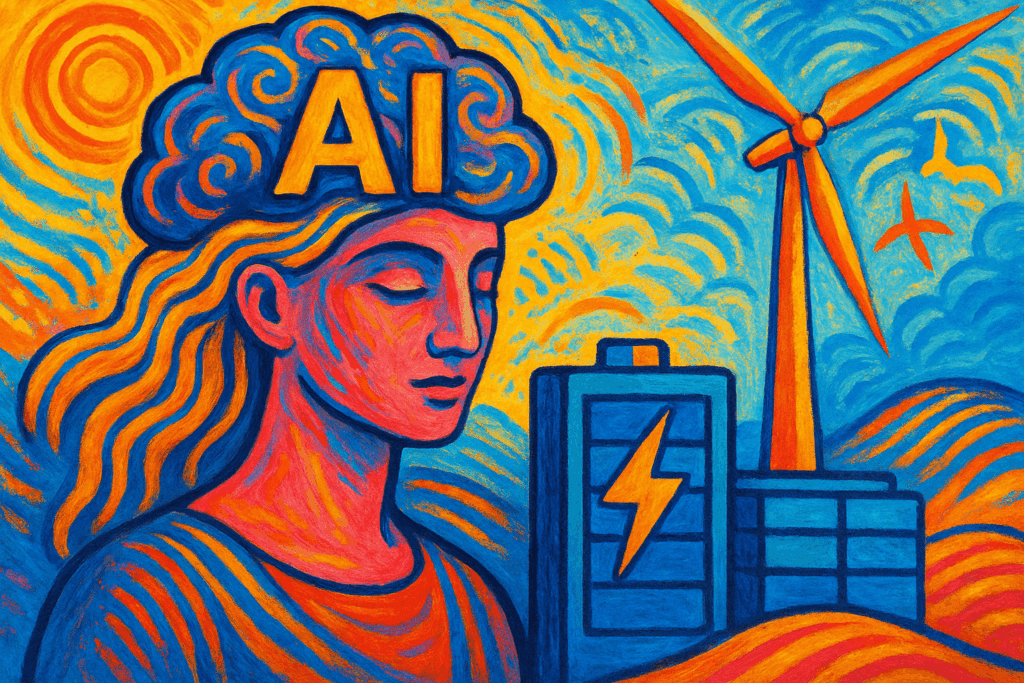
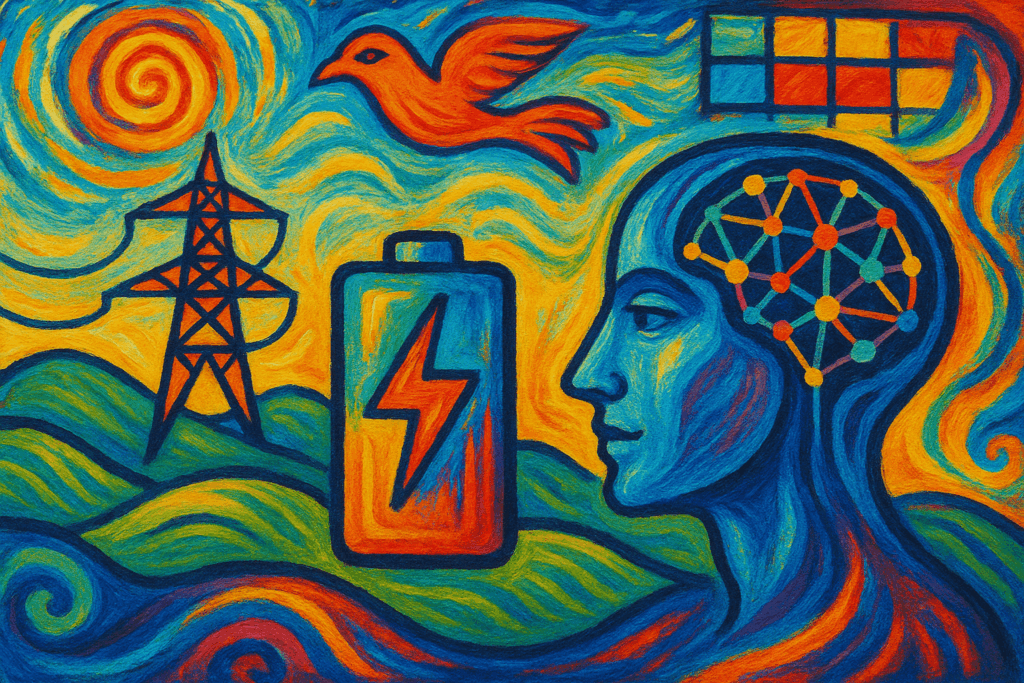
The expanded role for BESS in Ireland’s real-time market lays fertile ground for advanced artificial intelligence applications. AI-driven scheduling and energy optimization software can leverage granular market data and grid conditions to refine battery dispatch decisions, maximizing financial returns and operational efficiency. This intersection of regulatory progress and AI-based technologies positions Ireland as a global model for intelligent, decarbonized energy systems. For energy professionals and grid strategists, Ireland’s example highlights the potential that data-driven algorithms and smart market designs hold for future energy landscapes.
In summary, Ireland’s grid update not only transforms BESS participation and revenue opportunities but also aligns perfectly with emerging AI-enabled solutions that promise deeper grid intelligence and sustainability. This regulatory evolution signals a forward-looking approach that marries market dynamics, technology innovation, and decarbonization goals with real-world impact for energy system stakeholders worldwide.