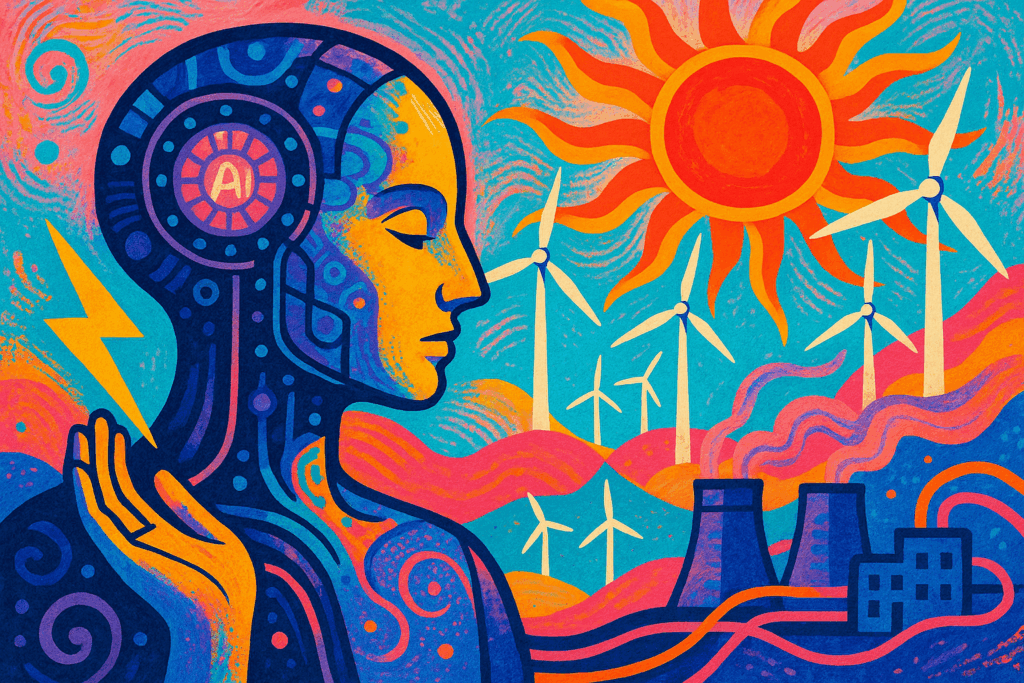

Nuclear Power to Fuel AI’s Future and Green Fuels
XCF IP3 Southern and DevvStream have signed a non-binding memorandum of understanding to evaluate America First Nuclear Power deployments for powering AI data centers and producing clean fuels. The partnership points to next-generation nuclear as a low-carbon, high-reliability option that sits in the non-renewable energy category while delivering meaningful emissions reductions.
A Strategic Alliance for Energy Innovation
The MOU pairs XCF IP3 Southern, a project development and infrastructure investor, with DevvStream, a firm focused on AI infrastructure deployment. Their joint assessment will center on small modular reactors and other advanced nuclear designs capable of providing steady baseload power and industrial heat at scale. America First Nuclear Power is identified as the technology pathway under review.
Addressing AI’s Energy Demands and Clean Fuel Production
AI data centers require continuous, high-density electricity. Next-generation nuclear can deliver predictable output to meet those loads while freeing intermittent renewables for grid flexibility. The initiative also contemplates producing green fuels such as hydrogen, ammonia and sustainable aviation fuel. These fuels use low-carbon hydrogen and process heat from reactors to replace fossil-derived feedstocks in heavy industry and transport.
The Promise of Next-Gen Nuclear and Carbon Solutions
Advanced reactors offer enhanced safety features, smaller footprints and shorter construction timelines compared with legacy plants. Financially, coupling fuel production with power sales can unlock new revenue streams. The partners intend to explore carbon credit and offset markets to monetize emissions reductions from reactor-powered fuel production, improving project economics and supporting corporate decarbonization targets.
Implications for Sustainable AI Energy
This model frames nuclear power as a practical route to supply AI infrastructure with low-carbon electricity while producing fuels that accelerate broader decarbonization. If scaled, the approach could strengthen energy independence, provide stable costs for AI operators and create a pathway for industry-wide reductions in lifecycle emissions.