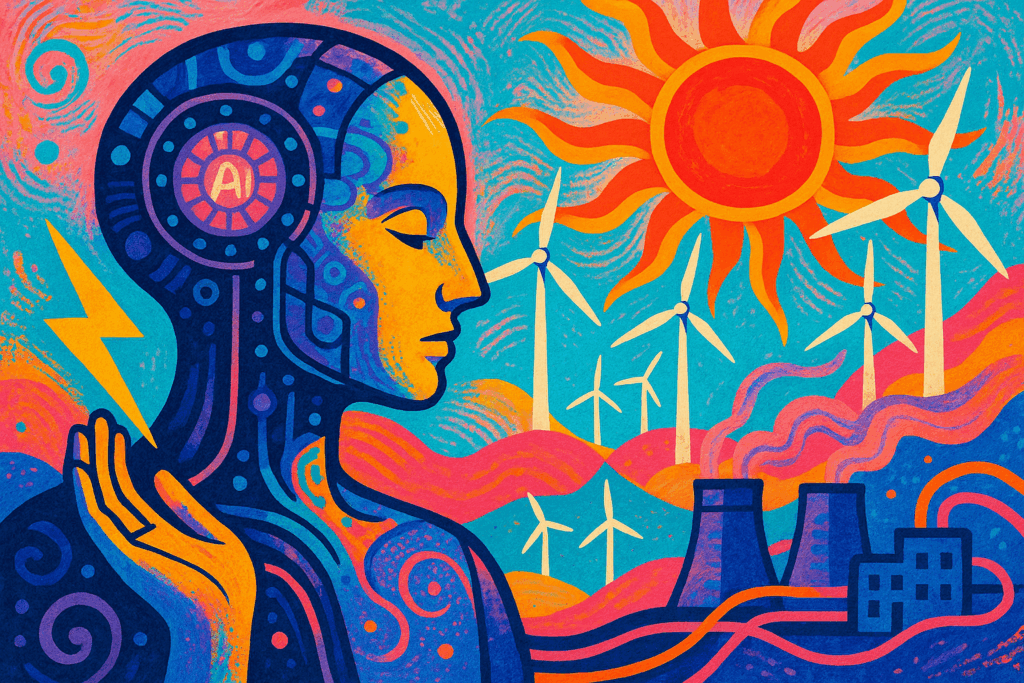
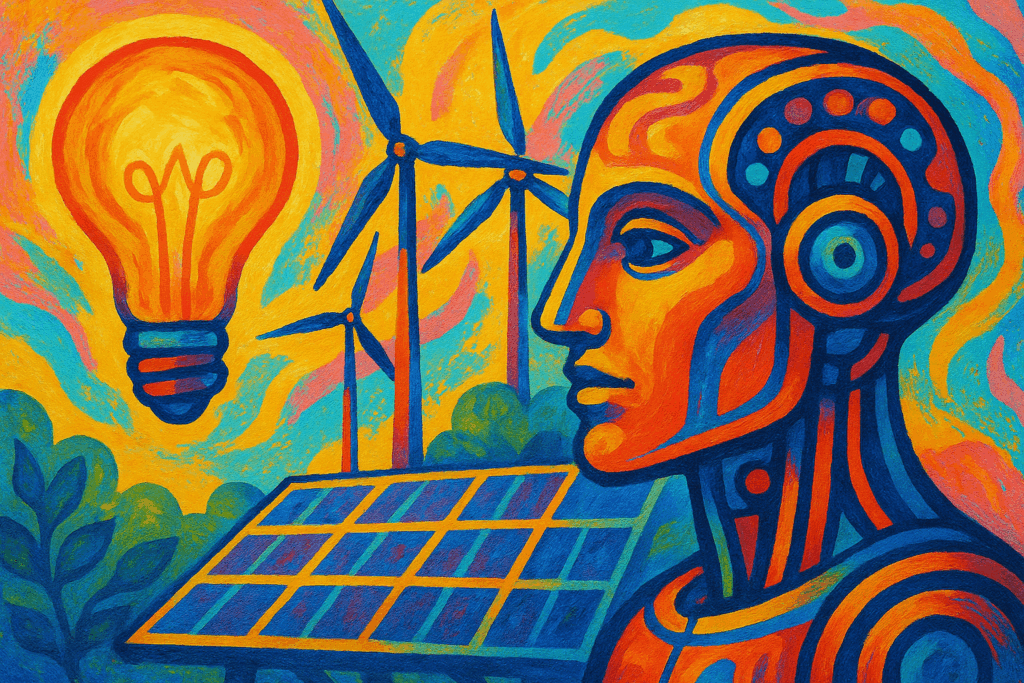
Artificial intelligence drives innovation but also hides a growing environmental cost. Quantifying that cost is hard because many providers do not publish full energy and water data. Still, AI workloads demand electricity, cooling and frequent hardware refreshes, all of which affect emissions, water use and e waste.
The Hidden Environmental Toll of AI
AI training and inference can consume megawatt hours of power and millions of liters of cooling water at scale. Large models require repeated training runs and higher inference loads, multiplying energy demand. Without transparent reporting from providers it is difficult to measure total impact or compare providers on a level playing field.
Data Centers: At the Core of AI’s Energy Demands
Data centers host the servers and accelerators that run AI. Their carbon footprint depends heavily on the grid supplying them. When power comes from coal or gas plants the same amount of compute produces far more CO2 than when it comes from wind, solar or low carbon grids. Water use is tied to both cooling systems and how electricity is generated. Thermal power plants use large volumes of water for coolant. Some renewables reduce carbon and water intensity but hydropower and certain cooling choices also have local water impacts. E waste arises from rapid hardware refresh cycles and specialized accelerators that become obsolete.
Pathways to Greener AI
- Strategic siting: place data centers where low carbon grids and adequate water resources exist, and use low water cooling technologies.
- Energy sourcing: prioritize direct renewable procurement, power purchase agreements and on site generation to lower lifecycle emissions.
- Model optimization: adopt pruning, quantization, distilled or smaller specialist models, and batch processing to cut compute without losing utility.
- Hardware lifecycle: extend equipment life, standardize components, and expand recycling programs to reduce e waste.
- Transparency: publish PUE, energy mix, water metrics and third party audits so stakeholders can compare providers and track progress.
- User actions: limit unnecessary requests, choose lower fidelity outputs when acceptable, and prefer services with clear sustainability reporting.
Reducing AI’s footprint is a practical mix of better energy choices, smarter models and stronger transparency. Industry leaders, investors and regulators must push for measurable commitments so AI growth aligns with climate and resource goals.